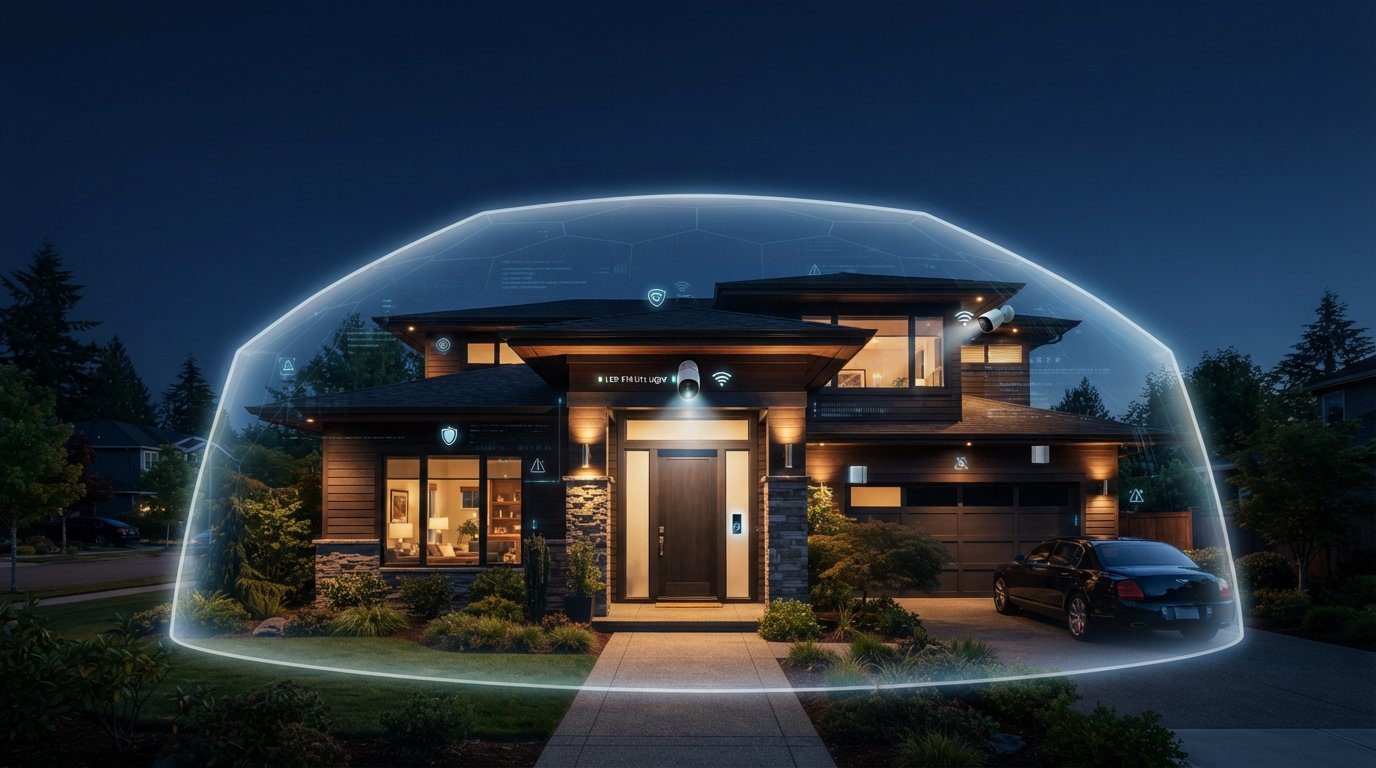
Protecting your home in 2026 involves more than installing a basic alarm. Modern home security systems can combine door and window sensors, motion detection, security cameras, video doorbells, smart locks, mobile apps, professional monitoring, and automation features.
The problem is that there is no single system that is best for everyone. Some homeowners want 24/7 professional monitoring and expert installation. Others prefer a low-cost DIY system with no long-term contract. Smart home users may prioritize compatibility with their existing devices, while apartment renters may need equipment that is easy to install and remove.
Recent 2026 evaluations also reach different conclusions depending on their testing methods. Security.org ranked ADT as its top overall recommendation after testing more than 60 systems, while Forbes Home rated Frontpoint highest for value. PCMag’s 2026 smart home security testing ranked SimpliSafe first for DIY security, Abode for smart home compatibility, and Vivint as a leading option for professional monitoring. (Forbes)
This guide compares the best home security systems in 2026 and explains what to consider before choosing one.
Quick Comparison of the Best Home Security Systems in 2026
| Home Security System | Best For |
|---|---|
| ADT | Professional monitoring and installation |
| SimpliSafe | DIY home security |
| Vivint | Smart home automation |
| Frontpoint | Overall value and customer support |
| Cove | Affordable and flexible DIY security |
| Abode | Smart home compatibility and no-contract options |
| Ring Alarm | Security cameras and video doorbells |
| Eufy | Smart home integration and self-managed security |
1. ADT: Best for Professional Monitoring and Installation
ADT remains one of the strongest choices for homeowners who want a professionally managed security system. Rather than handling every part of installation and monitoring themselves, customers can choose a more hands-off approach with professional support.
Security.org ranked ADT as its top home security system in its August 2026 testing, highlighting its professional monitoring and installation. SafeHome also placed ADT at the top of its 2026 rankings, while Forbes Home named it a leading option for professional services. (Security.org)
Why ADT Stands Out
ADT is particularly appealing for homeowners who want professional installation, established monitoring infrastructure, and a system that can integrate with smart home technology. Depending on the package and location, features may include security cameras, motion sensors, door and window sensors, alarms, cellular backup, and smart home controls.
Best For
Homeowners who prefer professional installation and 24/7 professional monitoring.
Potential Drawbacks
Professional systems can cost more than basic DIY alternatives, and contract requirements or monitoring terms may apply depending on the plan. Always review the current agreement before signing up.
2. SimpliSafe: Best for DIY Home Security
SimpliSafe is a strong option for people who want an easier path into home security without building a complicated professionally installed system. It is widely known for DIY installation and customizable equipment packages.
PCMag’s 2026 smart home security testing ranked SimpliSafe as its top choice for DIY security. Security.org also named it the best system for deterring intruders in its August 2026 rankings. Forbes Home highlighted the company for its monitoring service reviews. (Yahoo Tech)
Why SimpliSafe Stands Out
A DIY system can give users greater control over equipment selection and installation. SimpliSafe is designed for people who want sensors, cameras, alarms, and monitoring options without necessarily committing to a traditional professionally installed security setup.
Best For
Homeowners and renters who want a straightforward DIY security system.
Potential Drawbacks
The exact features available may depend on the monitoring plan and equipment package. Buyers should compare the cost of equipment and optional ongoing services before making a decision.
3. Vivint: Best for Smart Home Automation
Vivint is a strong choice for homeowners who want home security and smart home automation to work together through a connected system.
Security.org ranked Vivint as its best option for home automation in 2026, while PCMag identified Vivint as its leading choice for users who need professional monitoring. Forbes Home also highlighted Vivint for front-door security and advanced connected features. (Security.org)
Why Vivint Stands Out
Vivint can be particularly useful for people who want to combine security equipment with connected devices such as smart locks, cameras, doorbell cameras, sensors, and home automation controls.
Best For
Homeowners who want a premium integrated security and smart home experience.
Potential Drawbacks
Advanced systems and professional services can be more expensive than simple DIY packages. Carefully review equipment costs, financing terms, service fees, and contract conditions.
4. Frontpoint: Best for Value
Frontpoint is a notable option for buyers looking for a balance between equipment, monitoring, and overall value.
Forbes Home’s March 2026 evaluation ranked Frontpoint first for value after assessing major home security systems across factors including pricing, monitoring, equipment, smart home compatibility, contracts, and customer sentiment. Security.org also included Frontpoint among its leading recommendations, highlighting customer service and support. (Forbes)
Why Frontpoint Stands Out
Frontpoint offers an option between basic self-installed systems and more traditional professional security services. Its equipment and monitoring structure may appeal to homeowners who want a broader security package without choosing the most expensive premium option.
Best For
Buyers focused on finding a good overall balance of features and value.
Potential Drawbacks
Forbes Home noted that Frontpoint’s monitoring structure and contract requirements may not suit users who specifically want complete flexibility or self-monitoring. (Forbes)
5. Cove: Best for Affordable DIY Security
Cove is worth considering for buyers who want a more affordable security system with flexible equipment and monitoring choices.
Security.org named Cove its most affordable DIY system in its 2026 rankings, while Forbes Home highlighted the company for flexible plans. (Security.org)
Why Cove Stands Out
Price is a major consideration when choosing a home security system. The total cost includes more than the equipment itself. Buyers also need to consider installation, monitoring, replacement equipment, and any long-term service commitments.
Cove can appeal to users looking for a lower-cost entry point while still wanting professional security features.
Best For
Budget-conscious homeowners and renters who want a DIY-focused system.
Potential Drawbacks
The best package depends heavily on the size of your home and the number of doors, windows, and areas requiring protection.
6. Abode: Best for Smart Home Compatibility
Abode is a strong contender for people who want their security system to work as part of a larger smart home setup.
PCMag’s 2026 comparison named Abode its top choice for smart home compatibility, while Security.org highlighted it for no-contract monitoring. Forbes Home also recognized Abode for comprehensive security bundles. (Yahoo Tech)
Why Abode Stands Out
Some security systems operate primarily as standalone products. Others are designed to work more closely with a broader ecosystem of smart devices. Abode can be particularly useful for users who already rely on connected home technology and want greater flexibility.
Best For
Smart home users who want customizable security and flexible monitoring options.
Potential Drawbacks
The best setup may require more planning than a simple all-in-one security package.
7. Ring Alarm: Best for Security Cameras and Video Doorbells
Ring is widely associated with video doorbells and home cameras, making its security ecosystem an option worth considering for users who place a high priority on visual monitoring.
Security.org ranked Ring Alarm as its best choice for security cameras and video doorbells in its 2026 recommendations. (Security.org)
Why Ring Alarm Stands Out
Visual security can add another layer of awareness around entry points, driveways, and other areas of a property. A connected system can allow users to receive alerts and review activity through compatible applications and devices.
Best For
Homeowners who want cameras and video doorbells to play a central role in their security setup.
Potential Drawbacks
Cloud storage, subscriptions, and advanced features may involve additional costs depending on the services selected.
8. Eufy Security: Best for Smart Home Integration
Eufy is another option for users interested in connected security devices and flexible monitoring.
Forbes Home ranked Eufy as its best option for smart home integration in its 2026 comparison of major security systems. (Forbes)
Why Eufy Stands Out
Eufy’s ecosystem includes security-focused devices that can appeal to users who prefer managing cameras and connected equipment through a technology-based home setup.
Best For
Users who want smart home features and a more self-managed security experience.
Potential Drawbacks
Before buying, check whether the specific cameras, sensors, storage options, and smart home integrations you need are supported by the exact products you choose.
How to Choose the Best Home Security System in 2026
Do not choose a security system based solely on brand recognition or the lowest advertised monthly price. The right system depends on your home, budget, and the level of protection you actually need.
Professional Monitoring vs. Self-Monitoring
This is one of the biggest decisions.
With professional monitoring, a monitoring center may respond to qualifying alarms according to the service’s procedures. This can provide additional support, but it usually involves recurring fees.
With self-monitoring, you receive alerts and decide how to respond yourself. This can reduce ongoing costs but places more responsibility on you.
Security.org’s 2026 home security guide emphasizes that monitoring, response options, equipment, costs, and installation methods are all important parts of choosing a system. (Security.org)
DIY Installation vs. Professional Installation
DIY installation can save money and may be especially suitable for renters or people who want to control the setup themselves.
Professional installation can be useful for larger homes, complex systems, or users who do not want to deal with mounting equipment, configuring sensors, and testing the system.
Equipment You Actually Need
A basic system may include:
- Door and window sensors
- Motion detectors
- A central hub or keypad
- An alarm or siren
Depending on your property, you may also want:
- Indoor security cameras
- Outdoor security cameras
- Video doorbells
- Glass-break sensors
- Smart locks
- Smoke and carbon monoxide detectors
- Water or flood sensors
- Panic buttons
Do not automatically buy every available device. Start by identifying vulnerable entry points and the specific risks you want the system to address.
Smart Home Compatibility
If you already use smart lights, locks, speakers, or automation platforms, compatibility matters. Check whether the security system works with your existing devices before buying.
Contracts and Cancellation Terms
Some providers offer month-to-month flexibility, while others may require longer commitments. Read the cancellation policy, equipment financing terms, and monitoring agreement carefully.
Cellular and Power Backup
A security system that depends entirely on your home Wi-Fi may be more vulnerable to connectivity problems. Ask whether the system has cellular backup, battery backup, or other protections against power and internet outages.
How Much Does a Home Security System Cost in 2026?
The cost of a home security system can vary significantly. Your total expense may include equipment, installation, professional monitoring, cloud video storage, and optional smart home devices.
Forbes Home’s March 2026 comparison found substantial differences in starting professional monitoring fees among leading providers, with prices and terms varying by company and system. Because promotions, packages, and service fees can change, you should verify current pricing directly with each provider before purchasing. (Forbes)
The cheapest advertised system is not necessarily the cheapest long-term choice. Calculate the total expected cost over the period you realistically plan to use the system.
Are Home Security Systems Worth It?
A home security system can provide useful alerts, monitoring, surveillance, and peace of mind. However, no system can guarantee that a burglary, package theft, fire, or other emergency will never happen.
The value of a system depends on how well it matches your property and how effectively it is installed and used. A basic system with properly positioned sensors may be more useful than an expensive package containing equipment you do not need.
The most effective approach is to combine technology with practical security habits, including locking doors and windows, maintaining exterior lighting, protecting access codes, and reviewing camera and account security settings.
Frequently Asked Questions
What is the best home security system in 2026?
There is no universal winner. ADT is a leading choice for professional monitoring and installation, SimpliSafe is strong for DIY security, Vivint is a notable option for smart home automation, and Abode offers strong smart home compatibility. Different testing organizations rank providers differently because they use different criteria. (Security.org)
Is DIY or professional home security better?
Neither is automatically better. DIY systems can cost less and offer more installation flexibility. Professional systems may provide expert installation and ongoing monitoring support. Your budget, property size, and personal preferences should determine the choice.
Do I need professional monitoring?
Not necessarily. Professional monitoring can provide additional support when alarms are triggered, but self-monitoring may be sufficient for some users. Compare the recurring cost against the benefits you expect to receive.
Can renters install a home security system?
Many DIY and wireless systems can be suitable for renters because they may require less permanent installation. However, renters should check their lease and obtain permission when necessary before drilling, modifying doors, or installing exterior equipment.
Do security systems work during a power outage?
It depends on the system. Some systems include battery backup, cellular backup, or both. Verify how your specific system operates during power or internet outages before purchasing.
Final Verdict
The best home security system in 2026 depends on how you want your home protected and how much control you want over the system.
ADT is a strong choice for professional monitoring and installation.
SimpliSafe is one of the best options for straightforward DIY home security.
Vivint stands out for advanced smart home automation.
Frontpoint offers a strong balance of value and security features.
Cove is worth considering for affordable DIY security.
Abode is a strong choice for smart home compatibility and flexible monitoring.
Ring Alarm is particularly attractive for users who prioritize cameras and video doorbells.
Eufy is worth considering for connected smart home security.
The right move is to compare the total cost, monitoring options, equipment, contracts, privacy policies, and backup features before buying. Do not pay for a huge bundle simply because it looks impressive. Build a system around the actual layout of your home and the risks you want to manage.
Leave a Reply