Category: Home Improvement

Discover practical home improvement ideas, expert guides, and useful advice for upgrading, repairing, and maintaining your home. Explore topics including remodeling, renovation, roofing, plumbing, HVAC, home security, energy efficiency, smart home solutions, and other projects designed to improve your property’s comfort, functionality, and value.

  • Best Solar Panel Companies in 2026: Top Brands, Costs, and How to Choose

    Best Solar Panel Companies in 2026: Top Brands, Costs, and How to Choose

    Solar energy has become a major consideration for homeowners and businesses looking to reduce electricity costs and increase energy independence. But choosing a solar company is not as simple as picking the panel with the highest efficiency rating.

    The quality of the solar panels matters, but so do the installer, inverter, battery system, warranty, installation workmanship, financing terms, and after-sales support.

    In 2026, REC, Qcells, Canadian Solar, Maxeon, and Hyundai are among the leading solar panel brands according to current EnergySage analysis. EnergySage evaluated thousands of panels based on factors including efficiency, power output, durability, performance in heat, warranty coverage, value, and popularity among installers. (EnergySage)

    This guide explains some of the best solar panel companies and brands to consider in 2026, what makes them stand out, and what homeowners should evaluate before signing a solar installation contract.

    Best Solar Panel Companies in 2026 at a Glance

    Solar Company / BrandBest ForKey Strength
    REC GroupBest overall panelsEfficiency, durability, value
    QcellsBest overall valueStrong performance and availability
    Canadian SolarPopular choiceBroad product selection
    MaxeonPremium systemsHigh efficiency and long warranties
    Hyundai Energy SolutionsBudget-conscious buyersEfficiency and value
    SEG SolarHigh efficiencyStrong power density
    SunrunFull-service installationResidential solar services
    Tesla EnergySolar and battery integrationEnergy storage ecosystem

    It is important to distinguish panel manufacturers from solar installation companies. A manufacturer produces the equipment, while an installer designs and installs the complete system. A high-quality panel can still perform poorly if the system is badly designed or installed.

    1. REC Group: Best Overall Solar Panels

    REC Group is one of the strongest choices for homeowners looking for a combination of efficiency, durability, warranty protection, and value.

    EnergySage’s 2026 analysis ranked the REC Alpha Pure-RX as its top solar panel. The 460-watt model has an efficiency rating of 22.1%, a 25-year product warranty, and a 25-year performance warranty. EnergySage also highlighted its relatively strong performance in high temperatures. (EnergySage)

    Why REC Stands Out

    REC panels offer:

    • High efficiency
    • Strong temperature performance
    • Long-term warranties
    • High power output
    • Established industry experience
    • Competitive value for premium equipment

    Best For

    Homeowners who want high-quality panels without automatically choosing the most expensive option.

    Potential Drawback

    Premium REC panels can cost more upfront than entry-level solar modules.

    2. Qcells: Best Overall Value

    Qcells is another major solar manufacturer worth considering in 2026.

    EnergySage ranked the Qcells Q.TRON BLK among its top solar panels, giving it a score of 96 out of 100 in its current ranking. The listed model has approximately 22% efficiency, 430 watts of output, and 25-year product and performance warranties. (EnergySage)

    Why Qcells Stands Out

    Qcells combines strong specifications with broad market availability, making it easier for homeowners to find installers familiar with the equipment.

    Best For

    Homeowners looking for a balance between performance, price, availability, and long-term reliability.

    Potential Drawback

    The highest-efficiency Qcells models may cost more than basic panels.

    3. Canadian Solar: Best for Popularity and Selection

    Canadian Solar is one of the major global solar manufacturers and offers a broad range of residential and commercial modules.

    EnergySage’s 2026 panel analysis ranked the Canadian Solar TOPHiKu6 among its leading models. The listed 445-watt panel has 22.3% efficiency and a 25-year product warranty with a 30-year performance warranty. (EnergySage)

    Why Canadian Solar Stands Out

    The company provides multiple panel technologies and power ratings, giving installers flexibility when designing systems for different roofs.

    Best For

    Homeowners who want a well-established manufacturer with a broad product range.

    Potential Drawback

    Because Canadian Solar offers numerous product lines, specifications and warranties can differ significantly between models. Always verify the exact panel being quoted.

    4. Maxeon: Best Premium Solar Panels

    Maxeon is positioned toward the premium end of the residential solar market.

    EnergySage’s current 2026 comparison gave the Maxeon 6 an overall score of 93 and listed efficiency of 22.8%. The model also stands out for its 40-year product and performance warranties, which are significantly longer than the 25-year warranties common among many competing panels. (EnergySage)

    Why Maxeon Stands Out

    Maxeon can be particularly attractive when roof space is limited and maximizing electricity production per square foot matters.

    Best For

    Homeowners who prioritize premium equipment, efficiency, and long warranty coverage.

    Potential Drawback

    Premium specifications generally come with a higher upfront price.

    5. Hyundai Energy Solutions: Best Value for Efficiency

    Hyundai Energy Solutions is another manufacturer worth considering.

    EnergySage ranked its NF(BK) 440-watt panel second in its 2026 analysis. The panel has a listed efficiency of 22.5%, while its average cost was listed at approximately $2.25 per watt in EnergySage’s marketplace data. (EnergySage)

    Why Hyundai Stands Out

    The combination of relatively high efficiency and competitive pricing makes this type of panel attractive to homeowners who want strong performance without moving immediately into the highest-priced category.

    Best For

    Budget-conscious homeowners who still want high-efficiency equipment.

    Potential Drawback

    Availability depends heavily on the installer and local market.

    6. SEG Solar: Best for High Efficiency

    SEG Solar is another manufacturer appearing near the top of EnergySage’s 2026 rankings.

    Its YUKON N 440-watt panel was listed at 22.5% efficiency, with 30-year product and performance warranties. (EnergySage)

    Why SEG Stands Out

    High efficiency can be particularly useful for homes where roof space is limited.

    Best For

    Homeowners trying to maximize electricity production from a smaller available roof area.

    Potential Drawback

    Brand availability and installer familiarity can vary by location.

    7. Sunrun: Best for Full-Service Solar Installation

    Unlike REC, Qcells, and Canadian Solar, Sunrun is primarily a residential solar service provider and installer, rather than simply a solar panel manufacturer.

    A full-service solar provider can be useful for homeowners who want one company to manage system design, installation, monitoring, financing, and ongoing service.

    Why Sunrun Stands Out

    A large residential solar provider may simplify the installation process because multiple components and services can be coordinated through one company.

    Best For

    Homeowners who prefer a comprehensive solar installation and financing experience.

    Potential Drawback

    Solar contracts can be complicated. Compare the purchase price, financing structure, escalation clauses, warranties, maintenance responsibilities, and total long-term cost before signing.

    8. Tesla Energy: Best for Solar and Battery Integration

    Tesla Energy is particularly well known for combining solar generation with home battery storage.

    Its solar ecosystem can appeal to homeowners who want to pair photovoltaic panels with battery storage and energy-management technology.

    Why Tesla Stands Out

    The major attraction is system integration. Homeowners interested in solar plus battery storage may prefer a system where the components are designed to work together.

    Best For

    Homeowners interested in solar panels, battery storage, and home energy management.

    Potential Drawback

    The best solar system is not necessarily the one from the most recognizable technology company. Compare the complete system cost, installation quality, warranties, and local service availability.

    What Is the Best Solar Panel in 2026?

    There is no universal winner for every home.

    EnergySage’s current 2026 ranking places REC Alpha Pure-RX at the top based on its analysis of performance, warranty, durability, value, and popularity. Qcells, Hyundai, Canadian Solar, SEG, and Maxeon also scored highly. (EnergySage)

    The best panel for your property depends on:

    • Available roof space
    • Local climate
    • Amount of electricity you use
    • Roof orientation
    • Shading
    • Budget
    • Desired system size
    • Installer availability
    • Warranty requirements

    A 22% efficient panel is not automatically a better purchase than a 21% panel if the lower-efficiency panel is substantially cheaper and your roof has plenty of available space.

    Solar Panel Efficiency Explained

    Solar panel efficiency describes how effectively a panel converts sunlight into electricity.

    For example, if two panels have the same physical size but one has higher efficiency, the more efficient panel can generally produce more electricity from the same amount of roof space.

    This becomes especially important when:

    • Your roof is small
    • Your electricity consumption is high
    • You have limited usable roof area
    • You want maximum production from each square foot

    Current leading panels listed by EnergySage have efficiencies around 22% to 23%, depending on the model. (EnergySage)

    However, efficiency should never be the only purchasing criterion.

    How Much Do Solar Panels Cost in 2026?

    The total price of a solar system depends on substantially more than the panels themselves.

    Your total project may include:

    • Solar panels
    • Inverter
    • Racking
    • Wiring
    • Labor
    • Permits
    • Monitoring equipment
    • Battery storage
    • Roof work
    • Electrical upgrades
    • Financing costs

    EnergySage’s current panel data shows significant variation in equipment pricing. For example, its listed average costs range from roughly $2.25 per watt for the Hyundai NF(BK) to $2.73 per watt for the Maxeon 6 among its top-ranked models. (EnergySage)

    These are panel-equipment figures from EnergySage marketplace data, not the complete installed cost of a residential solar system.

    A complete solar installation will generally cost considerably more because of labor, inverters, racking, permitting, electrical work, and other components.

    Solar Panels vs. Complete Solar Companies

    This distinction is critical when researching “best solar companies.”

    Solar Panel Manufacturer

    A manufacturer makes the photovoltaic modules.

    Examples include:

    • REC
    • Qcells
    • Canadian Solar
    • Maxeon
    • Hyundai
    • SEG Solar

    Solar Installer

    An installer designs and installs the system at your property.

    The installer may use panels from one manufacturer and inverters from another.

    Therefore, you should evaluate both the equipment and the installer.

    EnergySage specifically notes that choosing a quality solar installer can have a greater impact on the effectiveness of your system than simply selecting the highest-rated panel. (EnergySage)

    What Should You Look for in a Solar Company?

    Before signing a solar contract, evaluate the company on several factors.

    Experience

    Ask how long the company has been installing solar systems and how many installations it has completed.

    Licensing and Insurance

    Confirm that the contractor has the appropriate licenses and insurance required in your jurisdiction.

    Warranty Coverage

    Understand the difference between:

    • Panel product warranty
    • Panel performance warranty
    • Inverter warranty
    • Battery warranty
    • Workmanship warranty

    A 25-year panel warranty does not necessarily mean the entire solar system is covered for 25 years.

    Installer Reputation

    Read reviews from multiple sources and look for patterns rather than focusing on one exceptionally positive or negative review.

    Equipment Specifications

    Your contract should identify the exact:

    • Panel manufacturer
    • Panel model
    • Wattage
    • Efficiency
    • Inverter
    • Battery model, if applicable
    • Mounting equipment

    Do not accept a quote that simply says “premium solar panels.”

    What Is a Solar Panel Performance Warranty?

    Solar panels gradually lose some of their ability to produce electricity over time.

    A performance warranty establishes a minimum expected output after a specified period.

    For example, a manufacturer might guarantee that the panel will retain a specified percentage of its original power output after 25 or 30 years.

    This is different from the product warranty, which generally covers defects in the physical panel.

    When comparing panels, examine both warranties.

    Solar Panel Product Warranty vs. Performance Warranty

    Product Warranty

    Protects against certain manufacturing defects or equipment failures.

    Performance Warranty

    Guarantees a minimum level of electricity-producing performance over time.

    Both matter when evaluating long-term value.

    Should You Buy or Lease Solar Panels?

    Homeowners generally have several financing options.

    Cash Purchase

    You pay the entire installation cost upfront.

    Advantages:

    • No loan interest
    • Full ownership
    • Potentially greater long-term savings

    Disadvantages:

    • Large upfront expense
    • You are responsible for the initial capital investment

    Solar Loan

    You finance the system and make monthly payments.

    Advantages:

    • Lower upfront cash requirement
    • You own the system
    • Potential access to incentives depending on eligibility

    Disadvantages:

    • Interest increases the total cost
    • Loan terms can vary considerably

    Solar Lease or Power Purchase Agreement

    A third party may own the system while you make payments based on the agreement.

    Advantages:

    • Lower upfront cost
    • Maintenance may be included

    Disadvantages:

    • You may not own the system
    • Contract terms can be complex
    • Long-term savings may differ from system ownership

    Never compare solar financing solely by monthly payment. Calculate the total amount paid over the full contract period.

    Are Solar Panels Worth It in 2026?

    Solar panels can be worthwhile when the system’s long-term financial benefits outweigh its upfront and financing costs.

    The economics depend on:

    • Local electricity prices
    • Solar production
    • System cost
    • Financing terms
    • Available incentives
    • Battery costs
    • Utility compensation policies
    • Property ownership period
    • Roof condition

    A system that works financially in one state or utility territory may be much less attractive somewhere else.

    How Long Do Solar Panels Last?

    Modern solar panels are designed for long-term operation.

    Many leading manufacturers offer performance warranties lasting 25 to 30 years, while some premium products offer longer coverage. EnergySage’s 2026 comparison, for example, lists 25-year performance warranties for REC and Qcells, 30-year coverage for Hyundai and Canadian Solar, and 40-year coverage for Maxeon 6. (EnergySage)

    Actual lifespan can vary based on installation quality, environmental conditions, maintenance, and product quality.

    Frequently Asked Questions

    What is the best solar panel company in 2026?

    For solar panels specifically, REC currently ranks among the strongest choices, with EnergySage naming its REC Alpha Pure-RX the best overall panel in its 2026 analysis. Qcells, Canadian Solar, Maxeon, Hyundai, and SEG also perform strongly across different categories. (EnergySage)

    What is the most efficient solar panel in 2026?

    Efficiency varies by model and continues to change as manufacturers introduce new products. EnergySage’s current comparison lists several panels above 22% efficiency, including Maxeon 6 at 22.8% and some other models at 22.5% or higher. (EnergySage)

    Is REC better than Qcells?

    Neither is automatically better for every homeowner. REC currently ranks higher in EnergySage’s 2026 analysis, but Qcells can provide an attractive combination of performance, availability, and value. (EnergySage)

    How many solar panels does a house need?

    The number depends on household electricity consumption, panel wattage, roof conditions, sunlight, and the desired system size. A professional installer should calculate the appropriate system based on your historical electricity usage and site conditions.

    Are more expensive solar panels worth it?

    Sometimes. Higher-priced panels may provide better efficiency, warranties, temperature performance, or durability. But the additional cost only makes sense if those advantages provide enough long-term value for your specific property.

    Should I install a battery with solar panels?

    A battery can be useful if you want backup power, greater energy independence, or the ability to use stored solar electricity when your panels are not producing. However, batteries add significant cost, so you should compare the economics carefully.

    Final Verdict

    The best solar company is not necessarily the company with the most recognizable name. You need to evaluate the panel manufacturer, installer, system design, warranty, financing, and long-term economics together.

    For 2026, REC is a strong overall choice for premium solar panels. Qcells offers a compelling balance of performance and value. Canadian Solar provides broad product selection, while Maxeon stands out for premium efficiency and unusually long warranty coverage. Hyundai can appeal to value-focused buyers, and SEG Solar is worth considering when high efficiency is a priority. (EnergySage)

    For installation services, companies such as Sunrun and Tesla Energy represent different approaches to residential solar, particularly for homeowners interested in full-service installation or integrated battery storage.

    Before signing a contract, obtain multiple quotes and compare them line by line. Verify the exact panel and inverter models, warranty terms, workmanship coverage, financing costs, estimated annual production, and total amount you will pay.

    The biggest mistake is choosing a solar company based solely on the advertised monthly payment or the highest panel efficiency. A properly designed and professionally installed system with transparent pricing and strong warranty coverage is far more important than a marketing claim.
  • How Much Does a New Roof Cost in 2026?

    How Much Does a New Roof Cost in 2026?

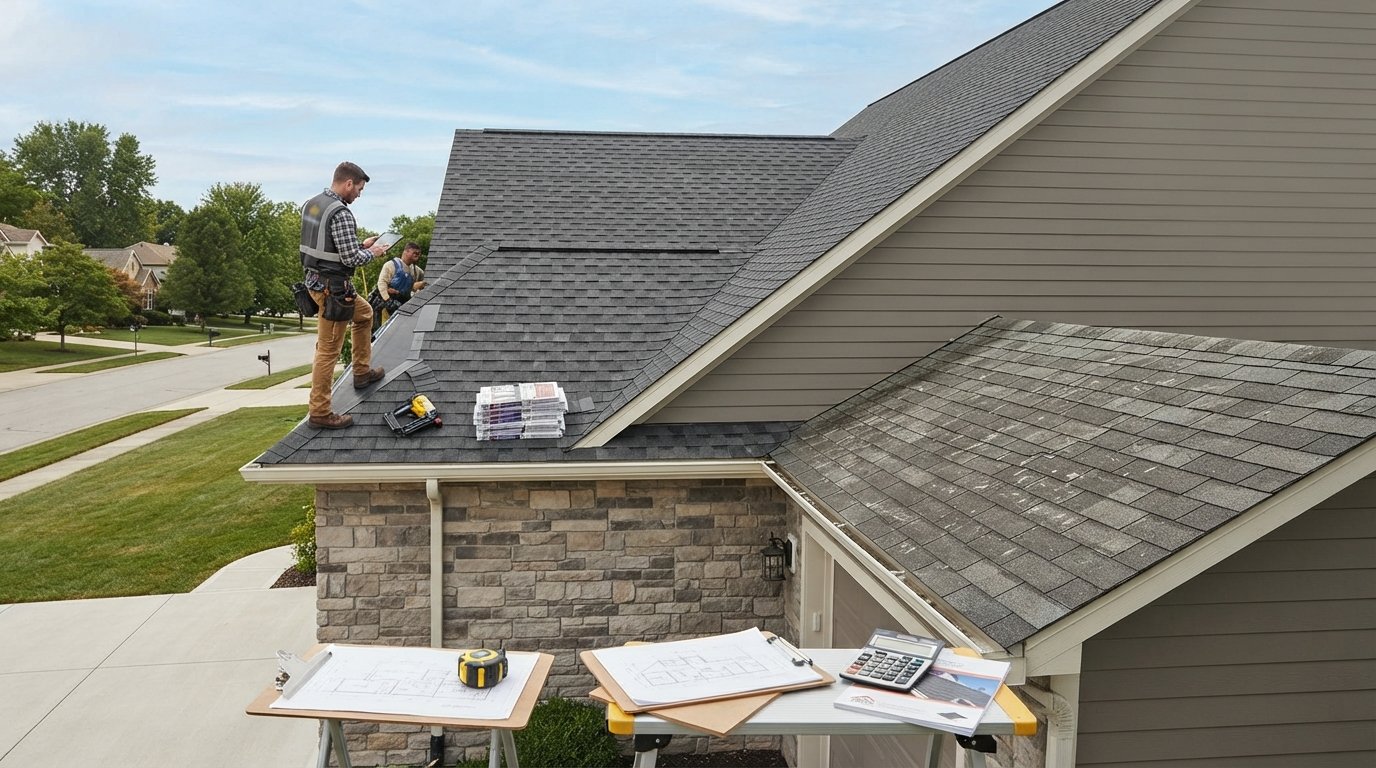
    Replacing a roof is one of the most expensive home improvement projects a homeowner may face. The final price can range from several thousand dollars for a basic asphalt roof to tens of thousands for premium materials such as metal, tile, or natural slate.

    In 2026, a typical residential roof replacement with architectural asphalt shingles generally costs around $9,000 to $18,000, although the actual price can be considerably lower or higher depending on roof size, location, material, labor rates, roof pitch, existing damage, and the complexity of the structure. Current cost guides place many standard asphalt replacements in this general range. (EnergyPros)

    Understanding what drives the price is critical before requesting contractor estimates. A quote that looks inexpensive may exclude important work such as old-roof removal, decking repairs, flashing, ventilation, permits, or cleanup.

    Average Cost of a New Roof in 2026

    For a typical home, the following ranges provide a useful starting point:

    Roofing MaterialTypical Installed CostApproximate Lifespan
    3-Tab Asphalt Shingles$5,500-$12,00015-20 years
    Architectural Shingles$7,000-$16,00025-30 years
    Premium Asphalt Shingles$14,000-$24,00030+ years
    Metal Roofing$12,000-$40,000+40-70 years
    Wood Shakes$12,000-$28,00025-30 years
    Concrete or Clay Tile$16,000-$36,000+40-100 years
    Synthetic Slate$18,000-$30,00040-60 years
    Natural Slate$30,000-$70,000+75-150+ years

    These are broad national estimates rather than guaranteed prices. Roof size, installation complexity, regional labor costs, material quality, and structural repairs can move the final price substantially. (EnergyPros)

    How Roofers Calculate the Cost

    Roofing contractors commonly price roofing by the square rather than simply by the home’s floor area.

    One roofing square equals 100 square feet of roof surface.

    For example, a roof with 2,000 square feet of actual roofing surface contains approximately 20 squares.

    This distinction matters because a 2,000-square-foot house does not necessarily have a 2,000-square-foot roof. Roof pitch, overhangs, dormers, valleys, and other architectural features can increase the actual roof area.

    A 2026 cost guide estimates that architectural asphalt shingles can cost approximately $450 to $800 per roofing square installed for a standard replacement, although local pricing can vary considerably. (CostToUpgrade)

    Cost of a New Roof by Material

    Asphalt Shingles

    Asphalt shingles remain one of the most common residential roofing materials because they offer a relatively low upfront cost and straightforward installation.

    Basic 3-tab shingles can cost roughly $5,500 to $12,000 for a typical replacement, while architectural shingles generally cost more but provide a more dimensional appearance and longer expected service life. (HomeGuide)

    Best for: Homeowners looking for an affordable and widely available roofing option.

    Metal Roofing

    Metal roofing has a significantly higher initial cost than standard asphalt shingles, but it can offer a much longer service life.

    Depending on the metal type and installation method, a metal roof can cost approximately $12,000 to $40,000 or more. Standing-seam systems are generally more expensive than basic corrugated metal roofing. (HomeGuide)

    Best for: Homeowners prioritizing durability and long-term performance.

    Tile Roofing

    Clay and concrete tile can provide excellent durability and a distinctive appearance, but the material is heavier and usually more expensive to install.

    A tile roof can cost approximately $16,000 to $36,000 or more, depending on the material, roof structure, design, and labor. (ProjectPrice)

    Best for: Homes where the structure can support the additional weight and where long-term durability is a priority.

    Slate Roofing

    Natural slate is one of the most expensive roofing materials. It can last for decades or even more than a century when properly installed and maintained.

    The cost can range from approximately $30,000 to $70,000 or more depending on the roof and material selected. (HomeGuide)

    Best for: Premium homes where longevity and appearance justify a substantial upfront investment.

    What Factors Affect New Roof Cost?

    The material is only one part of the equation. Several other factors can significantly change your final estimate.

    1. Roof Size

    Larger roofs require more materials, labor, underlayment, flashing, and disposal.

    A small single-story home can cost substantially less to reroof than a large multi-story property.

    2. Roof Pitch

    Steep roofs require additional safety equipment, slower installation, and more experienced labor.

    Complex or steep roof designs can therefore cost substantially more than a simple low-slope roof. (Jack Gray’s Roof Observations)

    3. Roof Design

    A basic rectangular roof is generally easier to replace than a roof containing multiple valleys, dormers, skylights, chimneys, and other penetrations.

    More complicated designs increase installation time and the amount of flashing and specialized work required.

    4. Existing Roof Removal

    If the existing roofing material needs to be removed, the contractor has to account for labor, disposal, and transportation.

    Some projects may involve multiple layers of existing roofing, which can increase removal costs and may require additional work before the new roof is installed.

    5. Roof Decking Damage

    Once the old roofing material is removed, contractors may discover damaged or rotted decking.

    Replacing damaged decking adds to the project’s cost. This is one reason homeowners should be cautious about accepting an unusually low estimate that does not explain how potential decking repairs are handled.

    6. Flashing and Ventilation

    Roofing systems involve more than shingles or panels.

    Important components can include:

    • Underlayment
    • Drip edge
    • Flashing
    • Ridge vents
    • Soffit ventilation
    • Pipe boots
    • Ice and water protection where applicable
    • Fasteners
    • Sealants

    A professional estimate should explain what is included rather than simply giving you a single total price.

    7. Labor Costs

    Labor rates vary considerably by location and contractor.

    Highly experienced roofing contractors may charge more, but choosing the cheapest contractor is not automatically the best financial decision. Poor installation can lead to leaks, premature deterioration, and expensive repairs.

    Roof Replacement Cost by House Size

    The size of the house provides only a rough starting point because the actual roof area depends on its design.

    For illustration, a typical asphalt roof might fall into ranges such as:

    Approximate Home SizePotential Roof Replacement Range
    1,000 sq. ft.$5,000-$10,000+
    1,500 sq. ft.$7,000-$14,000+
    2,000 sq. ft.$9,000-$18,000+
    2,500 sq. ft.$11,000-$22,000+
    3,000 sq. ft.$13,000-$26,000+

    These figures are planning estimates, not contractor quotes. A steep or complicated roof can cost significantly more than a simple roof of the same approximate size.

    How Much Does Roof Labor Cost?

    Labor can represent a substantial portion of the total roof replacement price.

    One 2026 cost analysis places roofing labor around $1.50 to $3 per square foot for standard installation, with specialized materials requiring significantly more labor. (HomeGuide)

    Labor costs can increase when:

    • The roof is steep
    • Access to the property is difficult
    • The home has multiple stories
    • The roof has several levels
    • The existing roof requires extensive removal
    • Decking requires replacement
    • Specialized materials are used
    • Local building requirements increase installation work

    Roof Replacement vs. Roof Repair

    Not every roofing problem requires a complete replacement.

    A repair may be appropriate when the damage is isolated and the rest of the roof remains in good condition.

    Replacement may make more sense when:

    • The roof is near the end of its expected lifespan
    • Shingles are extensively damaged
    • There are repeated leaks
    • The decking is deteriorating
    • There is widespread water damage
    • Large sections of the roof are failing
    • Previous repairs have become frequent and expensive

    If the roof is relatively young and the damage is limited, replacing the entire system may be unnecessary.

    How to Save Money on a New Roof

    A lower price should not be the only objective. The goal is to reduce unnecessary costs without sacrificing installation quality.

    Get Multiple Estimates

    Request estimates from at least three qualified roofing contractors.

    Make sure each contractor is pricing the same scope of work. Otherwise, comparing totals is meaningless.

    Compare the Scope, Not Just the Price

    A proper estimate should identify:

    • Roofing material
    • Manufacturer and product line
    • Number of layers being removed
    • Underlayment
    • Flashing
    • Ventilation
    • Drip edge
    • Decking allowance
    • Disposal
    • Cleanup
    • Permits
    • Workmanship warranty

    Current roofing guidance specifically recommends comparing bids by scope and warranty rather than simply choosing the lowest total. (ShingleScience)

    Choose Materials Carefully

    The most expensive roofing material is not necessarily the best choice for your home.

    Consider the material’s:

    • Initial cost
    • Expected lifespan
    • Maintenance requirements
    • Weather resistance
    • Warranty
    • Energy performance
    • Installation requirements

    Ask About Financing

    Some contractors and lenders offer financing for major home improvement projects. Compare the interest rate, fees, repayment period, and total cost before accepting financing.

    Do not let a low monthly payment hide an expensive long-term loan.

    What Should Be Included in a Roofing Estimate?

    A professional roofing estimate should be detailed enough for you to understand exactly what you are paying for.

    Look for separate information about:

    1. Existing roof removal
    2. Disposal
    3. Roof decking repairs
    4. Underlayment
    5. New roofing material
    6. Flashing
    7. Ventilation
    8. Labor
    9. Permits
    10. Cleanup
    11. Warranty

    If one contractor gives you a $10,000 quote and another gives you a $15,000 quote, do not assume the first contractor is automatically cheaper.

    The $10,000 estimate may exclude $3,000 worth of work included in the second estimate.

    Warning Signs of a Bad Roofing Estimate

    Be cautious when a contractor:

    • Refuses to provide a written estimate
    • Demands a large upfront payment
    • Gives an unusually low quote without explanation
    • Cannot provide proof of insurance
    • Avoids explaining the warranty
    • Pressures you to sign immediately
    • Refuses to identify the roofing material
    • Provides vague descriptions of the work

    A legitimate contractor should be willing to explain the scope, materials, timeline, payment schedule, and warranty.

    Frequently Asked Questions

    What is the average cost of a new roof in 2026?

    For a typical residential property, an asphalt roof replacement commonly falls somewhere around $7,000 to $18,000, with architectural-shingle projects often landing around $9,000 to $16,000. Actual costs depend heavily on roof size, location, materials, labor, and complexity. (EnergyPros)

    What is the cheapest roofing material?

    Basic asphalt shingles are generally among the least expensive mainstream residential roofing options. They have a lower initial cost than metal, tile, and natural slate.

    How long does a new asphalt roof last?

    Standard asphalt shingles commonly have an expected lifespan of roughly 15 to 30 years, depending on the product, installation quality, climate, maintenance, and environmental exposure. (This Old House)

    Is a metal roof worth the extra cost?

    It can be. Metal roofing generally costs more upfront but can last substantially longer than asphalt shingles. Whether the investment makes sense depends on your budget, climate, expected ownership period, and the specific metal roofing system.

    How do I know whether I need a new roof?

    Look for widespread shingle deterioration, recurring leaks, damaged flashing, sagging, extensive water damage, or a roof approaching the end of its expected lifespan. A qualified roofing professional should inspect the roof before you make a replacement decision.

    Can homeowners finance a new roof?

    Yes. Depending on your circumstances, financing may be available through roofing contractors, home improvement lenders, personal loans, home equity products, or other financing options. Compare the APR and total repayment cost rather than focusing only on the monthly payment.

    Final Verdict

    The cost of a new roof in 2026 depends on far more than the square footage of your house. Material selection, roof pitch, design complexity, labor, tear-off, decking condition, ventilation, flashing, permits, and local market conditions can all change the final bill.

    For many homeowners, architectural asphalt shingles offer a reasonable balance between upfront cost, appearance, and durability. Metal, tile, and slate can make sense when long-term durability or a particular architectural style justifies the higher investment.

    Before signing a contract, get several detailed estimates and compare them line by line. Do not choose a contractor simply because the initial price is the lowest. A properly installed roof with clearly defined materials, workmanship, and warranty terms can save you far more money than a cheap installation that fails prematurely.

  • Best Home Security Systems in 2026: Top Systems Compared

    Best Home Security Systems in 2026: Top Systems Compared

    Protecting your home in 2026 involves more than installing a basic alarm. Modern home security systems can combine door and window sensors, motion detection, security cameras, video doorbells, smart locks, mobile apps, professional monitoring, and automation features.

    The problem is that there is no single system that is best for everyone. Some homeowners want 24/7 professional monitoring and expert installation. Others prefer a low-cost DIY system with no long-term contract. Smart home users may prioritize compatibility with their existing devices, while apartment renters may need equipment that is easy to install and remove.

    Recent 2026 evaluations also reach different conclusions depending on their testing methods. Security.org ranked ADT as its top overall recommendation after testing more than 60 systems, while Forbes Home rated Frontpoint highest for value. PCMag’s 2026 smart home security testing ranked SimpliSafe first for DIY security, Abode for smart home compatibility, and Vivint as a leading option for professional monitoring. (Forbes)

    This guide compares the best home security systems in 2026 and explains what to consider before choosing one.

    Quick Comparison of the Best Home Security Systems in 2026

    Home Security SystemBest For
    ADTProfessional monitoring and installation
    SimpliSafeDIY home security
    VivintSmart home automation
    FrontpointOverall value and customer support
    CoveAffordable and flexible DIY security
    AbodeSmart home compatibility and no-contract options
    Ring AlarmSecurity cameras and video doorbells
    EufySmart home integration and self-managed security

    1. ADT: Best for Professional Monitoring and Installation

    ADT remains one of the strongest choices for homeowners who want a professionally managed security system. Rather than handling every part of installation and monitoring themselves, customers can choose a more hands-off approach with professional support.

    Security.org ranked ADT as its top home security system in its August 2026 testing, highlighting its professional monitoring and installation. SafeHome also placed ADT at the top of its 2026 rankings, while Forbes Home named it a leading option for professional services. (Security.org)

    Why ADT Stands Out

    ADT is particularly appealing for homeowners who want professional installation, established monitoring infrastructure, and a system that can integrate with smart home technology. Depending on the package and location, features may include security cameras, motion sensors, door and window sensors, alarms, cellular backup, and smart home controls.

    Best For

    Homeowners who prefer professional installation and 24/7 professional monitoring.

    Potential Drawbacks

    Professional systems can cost more than basic DIY alternatives, and contract requirements or monitoring terms may apply depending on the plan. Always review the current agreement before signing up.

    2. SimpliSafe: Best for DIY Home Security

    SimpliSafe is a strong option for people who want an easier path into home security without building a complicated professionally installed system. It is widely known for DIY installation and customizable equipment packages.

    PCMag’s 2026 smart home security testing ranked SimpliSafe as its top choice for DIY security. Security.org also named it the best system for deterring intruders in its August 2026 rankings. Forbes Home highlighted the company for its monitoring service reviews. (Yahoo Tech)

    Why SimpliSafe Stands Out

    A DIY system can give users greater control over equipment selection and installation. SimpliSafe is designed for people who want sensors, cameras, alarms, and monitoring options without necessarily committing to a traditional professionally installed security setup.

    Best For

    Homeowners and renters who want a straightforward DIY security system.

    Potential Drawbacks

    The exact features available may depend on the monitoring plan and equipment package. Buyers should compare the cost of equipment and optional ongoing services before making a decision.

    3. Vivint: Best for Smart Home Automation

    Vivint is a strong choice for homeowners who want home security and smart home automation to work together through a connected system.

    Security.org ranked Vivint as its best option for home automation in 2026, while PCMag identified Vivint as its leading choice for users who need professional monitoring. Forbes Home also highlighted Vivint for front-door security and advanced connected features. (Security.org)

    Why Vivint Stands Out

    Vivint can be particularly useful for people who want to combine security equipment with connected devices such as smart locks, cameras, doorbell cameras, sensors, and home automation controls.

    Best For

    Homeowners who want a premium integrated security and smart home experience.

    Potential Drawbacks

    Advanced systems and professional services can be more expensive than simple DIY packages. Carefully review equipment costs, financing terms, service fees, and contract conditions.

    4. Frontpoint: Best for Value

    Frontpoint is a notable option for buyers looking for a balance between equipment, monitoring, and overall value.

    Forbes Home’s March 2026 evaluation ranked Frontpoint first for value after assessing major home security systems across factors including pricing, monitoring, equipment, smart home compatibility, contracts, and customer sentiment. Security.org also included Frontpoint among its leading recommendations, highlighting customer service and support. (Forbes)

    Why Frontpoint Stands Out

    Frontpoint offers an option between basic self-installed systems and more traditional professional security services. Its equipment and monitoring structure may appeal to homeowners who want a broader security package without choosing the most expensive premium option.

    Best For

    Buyers focused on finding a good overall balance of features and value.

    Potential Drawbacks

    Forbes Home noted that Frontpoint’s monitoring structure and contract requirements may not suit users who specifically want complete flexibility or self-monitoring. (Forbes)

    5. Cove: Best for Affordable DIY Security

    Cove is worth considering for buyers who want a more affordable security system with flexible equipment and monitoring choices.

    Security.org named Cove its most affordable DIY system in its 2026 rankings, while Forbes Home highlighted the company for flexible plans. (Security.org)

    Why Cove Stands Out

    Price is a major consideration when choosing a home security system. The total cost includes more than the equipment itself. Buyers also need to consider installation, monitoring, replacement equipment, and any long-term service commitments.

    Cove can appeal to users looking for a lower-cost entry point while still wanting professional security features.

    Best For

    Budget-conscious homeowners and renters who want a DIY-focused system.

    Potential Drawbacks

    The best package depends heavily on the size of your home and the number of doors, windows, and areas requiring protection.

    6. Abode: Best for Smart Home Compatibility

    Abode is a strong contender for people who want their security system to work as part of a larger smart home setup.

    PCMag’s 2026 comparison named Abode its top choice for smart home compatibility, while Security.org highlighted it for no-contract monitoring. Forbes Home also recognized Abode for comprehensive security bundles. (Yahoo Tech)

    Why Abode Stands Out

    Some security systems operate primarily as standalone products. Others are designed to work more closely with a broader ecosystem of smart devices. Abode can be particularly useful for users who already rely on connected home technology and want greater flexibility.

    Best For

    Smart home users who want customizable security and flexible monitoring options.

    Potential Drawbacks

    The best setup may require more planning than a simple all-in-one security package.

    7. Ring Alarm: Best for Security Cameras and Video Doorbells

    Ring is widely associated with video doorbells and home cameras, making its security ecosystem an option worth considering for users who place a high priority on visual monitoring.

    Security.org ranked Ring Alarm as its best choice for security cameras and video doorbells in its 2026 recommendations. (Security.org)

    Why Ring Alarm Stands Out

    Visual security can add another layer of awareness around entry points, driveways, and other areas of a property. A connected system can allow users to receive alerts and review activity through compatible applications and devices.

    Best For

    Homeowners who want cameras and video doorbells to play a central role in their security setup.

    Potential Drawbacks

    Cloud storage, subscriptions, and advanced features may involve additional costs depending on the services selected.

    8. Eufy Security: Best for Smart Home Integration

    Eufy is another option for users interested in connected security devices and flexible monitoring.

    Forbes Home ranked Eufy as its best option for smart home integration in its 2026 comparison of major security systems. (Forbes)

    Why Eufy Stands Out

    Eufy’s ecosystem includes security-focused devices that can appeal to users who prefer managing cameras and connected equipment through a technology-based home setup.

    Best For

    Users who want smart home features and a more self-managed security experience.

    Potential Drawbacks

    Before buying, check whether the specific cameras, sensors, storage options, and smart home integrations you need are supported by the exact products you choose.

    How to Choose the Best Home Security System in 2026

    Do not choose a security system based solely on brand recognition or the lowest advertised monthly price. The right system depends on your home, budget, and the level of protection you actually need.

    Professional Monitoring vs. Self-Monitoring

    This is one of the biggest decisions.

    With professional monitoring, a monitoring center may respond to qualifying alarms according to the service’s procedures. This can provide additional support, but it usually involves recurring fees.

    With self-monitoring, you receive alerts and decide how to respond yourself. This can reduce ongoing costs but places more responsibility on you.

    Security.org’s 2026 home security guide emphasizes that monitoring, response options, equipment, costs, and installation methods are all important parts of choosing a system. (Security.org)

    DIY Installation vs. Professional Installation

    DIY installation can save money and may be especially suitable for renters or people who want to control the setup themselves.

    Professional installation can be useful for larger homes, complex systems, or users who do not want to deal with mounting equipment, configuring sensors, and testing the system.

    Equipment You Actually Need

    A basic system may include:

    • Door and window sensors
    • Motion detectors
    • A central hub or keypad
    • An alarm or siren

    Depending on your property, you may also want:

    • Indoor security cameras
    • Outdoor security cameras
    • Video doorbells
    • Glass-break sensors
    • Smart locks
    • Smoke and carbon monoxide detectors
    • Water or flood sensors
    • Panic buttons

    Do not automatically buy every available device. Start by identifying vulnerable entry points and the specific risks you want the system to address.

    Smart Home Compatibility

    If you already use smart lights, locks, speakers, or automation platforms, compatibility matters. Check whether the security system works with your existing devices before buying.

    Contracts and Cancellation Terms

    Some providers offer month-to-month flexibility, while others may require longer commitments. Read the cancellation policy, equipment financing terms, and monitoring agreement carefully.

    Cellular and Power Backup

    A security system that depends entirely on your home Wi-Fi may be more vulnerable to connectivity problems. Ask whether the system has cellular backup, battery backup, or other protections against power and internet outages.

    How Much Does a Home Security System Cost in 2026?

    The cost of a home security system can vary significantly. Your total expense may include equipment, installation, professional monitoring, cloud video storage, and optional smart home devices.

    Forbes Home’s March 2026 comparison found substantial differences in starting professional monitoring fees among leading providers, with prices and terms varying by company and system. Because promotions, packages, and service fees can change, you should verify current pricing directly with each provider before purchasing. (Forbes)

    The cheapest advertised system is not necessarily the cheapest long-term choice. Calculate the total expected cost over the period you realistically plan to use the system.

    Are Home Security Systems Worth It?

    A home security system can provide useful alerts, monitoring, surveillance, and peace of mind. However, no system can guarantee that a burglary, package theft, fire, or other emergency will never happen.

    The value of a system depends on how well it matches your property and how effectively it is installed and used. A basic system with properly positioned sensors may be more useful than an expensive package containing equipment you do not need.

    The most effective approach is to combine technology with practical security habits, including locking doors and windows, maintaining exterior lighting, protecting access codes, and reviewing camera and account security settings.

    Frequently Asked Questions

    What is the best home security system in 2026?

    There is no universal winner. ADT is a leading choice for professional monitoring and installation, SimpliSafe is strong for DIY security, Vivint is a notable option for smart home automation, and Abode offers strong smart home compatibility. Different testing organizations rank providers differently because they use different criteria. (Security.org)

    Is DIY or professional home security better?

    Neither is automatically better. DIY systems can cost less and offer more installation flexibility. Professional systems may provide expert installation and ongoing monitoring support. Your budget, property size, and personal preferences should determine the choice.

    Do I need professional monitoring?

    Not necessarily. Professional monitoring can provide additional support when alarms are triggered, but self-monitoring may be sufficient for some users. Compare the recurring cost against the benefits you expect to receive.

    Can renters install a home security system?

    Many DIY and wireless systems can be suitable for renters because they may require less permanent installation. However, renters should check their lease and obtain permission when necessary before drilling, modifying doors, or installing exterior equipment.

    Do security systems work during a power outage?

    It depends on the system. Some systems include battery backup, cellular backup, or both. Verify how your specific system operates during power or internet outages before purchasing.

    Final Verdict

    The best home security system in 2026 depends on how you want your home protected and how much control you want over the system.

    ADT is a strong choice for professional monitoring and installation.

    SimpliSafe is one of the best options for straightforward DIY home security.

    Vivint stands out for advanced smart home automation.

    Frontpoint offers a strong balance of value and security features.

    Cove is worth considering for affordable DIY security.

    Abode is a strong choice for smart home compatibility and flexible monitoring.

    Ring Alarm is particularly attractive for users who prioritize cameras and video doorbells.

    Eufy is worth considering for connected smart home security.

    The right move is to compare the total cost, monitoring options, equipment, contracts, privacy policies, and backup features before buying. Do not pay for a huge bundle simply because it looks impressive. Build a system around the actual layout of your home and the risks you want to manage.